
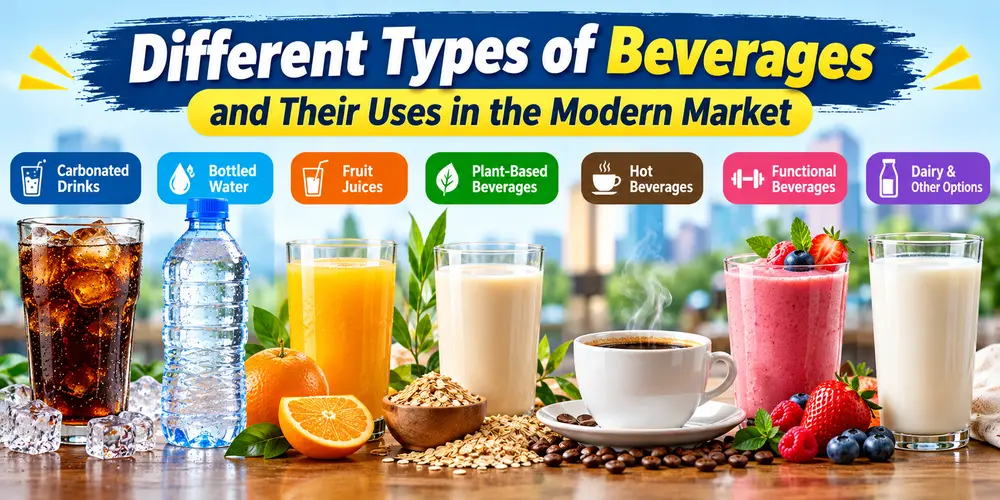
The global beverage business has kind of shifted a lot over the last decade, and it’s not just “grab a drink” anymore, like, people want more than plain thirst cover. They’re after hydration, a quick energy note, calm vibes, better nutrition, and yes also the whole social thing, all in one bottle or can. So, for retailers, restaurants, and distributors, getting the beverage categories right matters if they want a product mix that actually sells and stays profitable. And honestly, teaming up with a dependable beverage wholesaler can open doors to a wider set of high-quality items at competitive prices. Plus, if there’s an existing network, retailers can often place matching goods right next to the drinks, which feels like a small detail but it’s huge for margins.
Beverage landscape, sort of explained
On paper, beverages split into alcoholic and non-alcoholic, but the market now is way more layered than that. New product ideas, health conversations, and lifestyle changes keep creating extra sub-types, and a lot of them keep growing year after year. So, here’s the quick tour of the main types and how they’re usually used.
- Carbonated soft drinks:- Carbonated beverages stay at the top in many countries. Colas, lemon-lime sodas, ginger ales, and flavored sparkling drinks are everyday picks at supermarkets, restaurants, and convenience shops. They work for casual hangouts, celebrations, and they’re also common as mixers. Even with sugar worries pushing brands toward low-calorie and zero-sugar versions, fizzy drinks still have a faithful crowd, so for a distributor it’s often a dependable shelf track.
- Bottled water and flavored water:- Water is the base layer of this entire industry. Still, sparkling, mineral, and alkaline waters cover everyday hydration, while flavored or vitamin-forward waters pull in buyers who care about “health first” choices. Bottled water is everywhere in offices, gyms, hotels, and events. Because it keeps moving through the year, it tends to be a low-risk, steady volume item for wholesalers, like a safe bet but not boring.
- Fruit juices and smoothies:- Fruit juices and smoothies are liked for their familiar taste and the nutritional angle. Orange, apple, mango, and mixed-fruit blends show up at breakfast tables and in household routines. Cold-pressed juices can feel more premium, and ready-to-drink smoothies target busy professionals. But, the supply chain really depends on good raw materials, so a bunch of businesses end up partnering with a trusted Agricultural Products Supplier to secure fresh fruit concentrates and ingredients.
- Energy and sports drinks:- Energy drinks lean on caffeine, taurine, and B-vitamins, and they’re common with students, drivers, and shift workers. Sports drinks, on the other hand, are more about replacing electrolytes and carbohydrates lost during workouts. Both categories have pushed beyond fitness crowds into mainstream retail, and newer formulas with natural caffeine sources plus less sugar are starting to pick up speed.
- Tea and coffee beverages:- Ready-to-drink teas and cold-brew coffees basically changed the old hot-beverage rhythm into a convenient, grab-and-go format. Green tea, iced tea, kombucha, and nitro coffee are especially popular with younger consumers. Also, outside retail these drinks matter a lot in hospitality—cafés, hotels, catering because they need reliable supply and consistent quality.
- Dairy and plant-based beverages:- Milk, flavored milk, yogurt drinks, and kefir are still solid categories, but plant-based alternatives are climbing faster than most. Oat, almond, soy, and coconut drinks serve vegan shoppers, lactose-intolerant customers, and people who care about sustainability. These drinks get used in coffee shops, breakfast cereals, baking, and everyday sipping, so they work for both retail stores and food service operators.
- Alcoholic beverages:- Beer, wine, spirits, and ready-to-drink cocktails show up for social moments, celebrations, and even certain culinary pairings. At the same time, the market is seeing more low-alcohol and alcohol-free choices like alcohol-free beer or spirits matching a moderation trend. But distribution of alcoholic products comes with licensing and compliance rules, so selecting an experienced supplier is pretty critical here.
- Functional and wellness drinks:- Functional beverages cover probiotic drinks, protein shakes, collagen drinks, herbal infusions, and adaptogenic blends, you know the usual lineup. People reach for them to help digestion, immunity, focus, or even sleep. This area is growing fast because more folks are trying to handle health proactively. For retailers it can also mean better profit potential and a more obvious way to stand out. If a business works with a dependable beverage wholesaler, they can reach a wider selection of high-quality products at competitive prices. Plus, established Household Products Supplier Netherlands networks can make it easier for retailers to place complementary essentials right beside the beverage shelves, kind of like a one stop arrangement, or whatever you want to call it.
The supply chain and raw materials part
Behind nearly any good drink there’s a supply chain that ideally doesn’t hiccup. Packaging, preservatives, flavoring components, and even processing aids matter for both quality and shelf life. Many manufacturers turn to a Chemical Wholesale Supplier for food-grade additives, cleaning agents for production lines, and other industrial inputs, which helps keep operations safer and more compliant. If sourcing is solid at each stage it tends to lower costs, reduce the chance of production delays, and protect the brand’s reputation, not just the product label.
Market trends shaping what people buy
A few trends are actively reshaping how beverages get made and sold right now:
- Health and wellness: low sugar, natural ingredients, and added functional benefits are basically priority.
- Sustainability: recyclable packaging, less plastic, and ethical sourcing are becoming deciding factors at checkout.
- E-commerce: online ordering and B2B wholesale platforms are making bulk purchasing simpler and faster.
Conclusion: Pick The Right Beverages
From fizzing sodas and bottled water, to oat milks and other plant-based options, plus functional wellness beverages, today’s shelves feel like a mixed basket for almost any consumer and every moment. Businesses who really get these categories and match their stock to what people are buying right now, are usually the ones that grow more steadily. The Rise of Low-Sugar and Functional Beverages in the Netherlands: Wholesale Market Trends for 2026 highlights the growing importance of these beverage categories. If you want top-tier items, strong wholesale costs, and dependable European delivery, head to beverageinnovationseuropewholesale.com and bring your beverage venture to the next level
Frequently Asked Questions (FAQs)
1. What are the main types of beverages in the market today?
The big types include carbonated soft drinks, water, juices, energy and sports drinks, tea and coffee, dairy and plant-based drinks, alcoholic beverages, and functional wellness drinks
2. Why should businesses buy from a beverage wholesaler?
A wholesaler usually brings bulk pricing, a wider assortment, more steady availability, and smoother logistics, so retailers and restaurants can nudge their profit margins up a little, without too much stress or back-and-forth
3. Which beverage categories are growing the fastest?
Right now, the big movers are plant-based drinks, functional beverages, ready-to-drink teas and coffees, plus low alcohol or no alcohol alternatives, they seem to be accelerating the most
4. How do I choose a reliable beverage supplier?
Check product quality, certifications, pricing, delivery timelines, ordering flexibility, and customer feedback before you sign anything for a longer-term deal
5. Can a Household Products Supplier in the Netherlands also help with beverages?
Often yes, many suppliers run a combined catalog , so retailers can grab beverages and household goods from the same nearby partner which saves time and paperwork, sometimes
6. What role does an Agricultural Products Supplier play in the beverage industry?
They deliver the base ingredients like fruits, grains, herbs, and concentrates, these are sort of the core foundation for juices, teas, plant-based drinks, and plenty more
7. Why is a Chemical Wholesale Supplier important for beverage production?
Because manufacturers depend on food-grade inputs, preservatives, and sanitation chemicals, so the drinks stay safe, consistent, and shelf-stable really. that part matters a lot for quality.