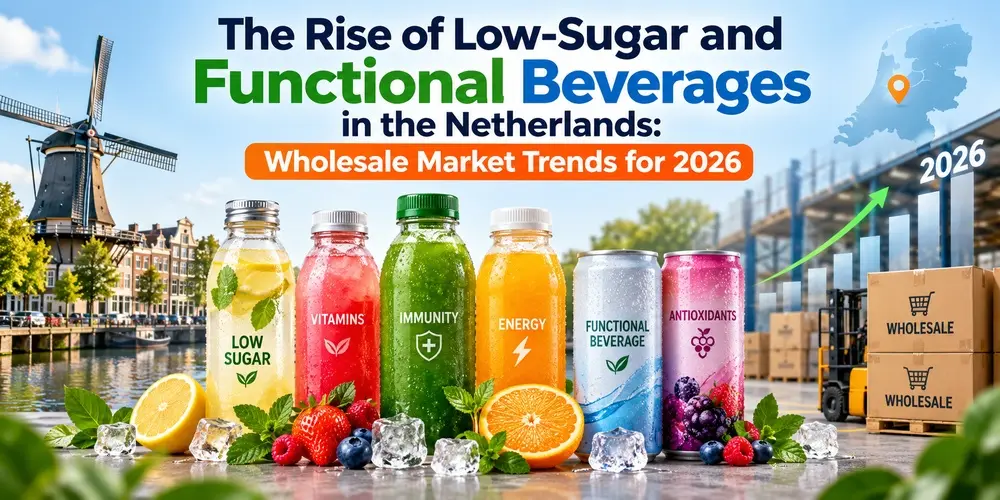
The beverage market in the Netherlands is changing as shoppers look for drinks that match their tastes and daily habits. In 2026, low-sugar soft drinks, zero-sugar options, flavoured water, and functional beverages are trends for retailers and wholesale buyers to watch. Many customers check sugar levels, calories, ingredients, and pack sizes before choosing a drink. Dutch industry research published in August 2026 found that 63% of soft-drink consumers sometimes choose diet or zero-sugar drinks, making this a key category to follow. Businesses that want to Buy Beverages Online in Netherlands can compare product types, prices, pack sizes, and delivery terms before ordering. The website beverageinnovationseuropewholesale.com is a place to explore when reviewing beverage wholesale options, but buyers should confirm current stock and terms directly. A balanced range can help shops, cafes, and distributors serve different needs. Careful planning also helps reduce waste, control costs, and respond to changing customer preferences.
Key Beverage Trends Shaping the Netherlands in 2026
Dutch shoppers have more drink choices than before. Taste remains important, but price, ingredients, sugar levels, and the occasion can also affect buying decisions. These trends offer useful ideas for beverage retailers and wholesale buyers.
- Low-sugar and zero-sugar drinks: Customers can choose familiar drinks with less or no sugar.
- Flavoured water: Fruit-flavoured water gives shoppers another option beyond plain water.
- Functional beverages: Some drinks contain added vitamins, minerals, or electrolytes.
- Alcohol-free drinks: Alcohol-free beer and other alternatives offer more choice for social events.
- New flavours: Citrus, berry, tropical fruit, and herbal flavours can bring variety to store shelves.
- Ready-to-drink options: Bottled tea, coffee, and other prepared drinks suit people who want convenience.
These trends do not mean that every product will sell well in every shop. Buyers should study local demand and start with sensible order sizes. Customer feedback and sales records can help them decide which products deserve more shelf space. This can lower the risk of buying too much stock that may take a long time to sell.
Wholesale Buying and Product Quality
Wholesale buying helps businesses source drinks in larger quantities and plan stock for regular sales. Before choosing a supplier, buyers should check product details, prices, pack sizes, expiry dates, and delivery terms. They should also ask about minimum order quantities and how damaged goods are handled. The phrase Chemical Wholesale Supplier describes a different type of supplier and should not be used to describe beverage products. Beverage buyers should focus on suppliers that clearly list their drinks, provide accurate product information, and explain their order process. Good stock planning is important because drinks have different storage needs and shelf lives. Water, canned soft drinks, juices, and functional beverages may need different storage conditions. Buyers should follow the instructions on each product and check that goods arrive in suitable condition. Comparing several suppliers can help a business understand the total cost, not just the price per bottle or can.
The Value of Low-Sugar and Functional Drinks
Low-sugar drinks can appeal to customers who want to reduce their sugar intake. Functional beverages offer another choice through ingredients such as vitamins, minerals, or electrolytes. However, customers still care about taste, price, packaging, and clear information. Retailers can build a balanced range by offering different drink types rather than relying on one trend. For example, a shop may stock zero-sugar soft drinks, flavoured water, iced tea, sports drinks, and selected energy drinks. The best mix depends on the store's customers and location. Businesses should read product labels carefully and avoid unsupported health claims. A drink with added ingredients is not automatically suitable for everyone. Clear descriptions help customers understand what they are buying and allow retailers to present products responsibly. Suppliers should also provide correct ingredient and nutrition information so businesses can answer basic customer questions.
Smart Stock Choices for Long-Term Business Value
A successful beverage business needs careful buying decisions. Retailers should compare product quality, price, packaging, shelf life, storage needs, and customer demand before placing a large order. The same idea appears in How to Choose Durable Household Products That Offer Long-Term Value. Although household products and beverages are different categories, both require buyers to compare quality, cost, and expected value. For drinks, businesses should check expiry dates, bottle or can condition, and storage instructions. They should also think about how quickly each product is likely to sell. Ordering too much can tie up money and increase the chance of waste, while ordering too little can lead to missed sales. One practical approach is to test new products in small quantities. After a few weeks, sales figures and customer feedback can show whether the products deserve a larger order. Keeping simple records makes it easier to compare flavours, pack sizes, and prices. This helps businesses use their budgets wisely and make better decisions over time.
Building a Strong Beverage Wholesale Strategy
A strong wholesale strategy starts with knowing the target customer. Supermarkets may need a broad range of drinks, while cafes may focus on water, juices, tea, coffee, and soft drinks. Buyers can explore beverageinnovationseuropewholesale.com when reviewing beverage wholesale options, then confirm available products, delivery coverage, prices, and business terms before ordering. Seasonal planning can also help. Cold drinks may attract more attention during warm weather, while alcohol-free options can be useful throughout the year. Businesses should review sales regularly and change their stock plans when customer demand shifts. Alcoholic drinks form a separate part of the beverage market and may involve different sales and delivery rules. Retailers interested in that area can use What’s Trending in Whiskey in the Netherlands in 2026? A Buyer’s Guide as an internal link to related content. By tracking demand, checking product information, and working with dependable suppliers, businesses can build a useful range and manage stock more carefully.
Frequently Asked Questions About Beverage Wholesale in the Netherlands
1. What beverage trends are important in the Netherlands in 2026?
Low-sugar drinks, zero-sugar soft drinks, flavoured water, functional beverages, and alcohol-free options are important trends to watch.
2. Why are low-sugar drinks popular?
Some customers want to reduce their sugar intake, so they look for drinks with less or no sugar.
3. What are functional beverages?
Functional beverages are drinks marketed with added ingredients such as vitamins, minerals, or electrolytes.
4. Who can buy beverages wholesale?
Retailers, supermarkets, cafes, restaurants, and other businesses can buy wholesale drinks, depending on the supplier's terms.
5. What should buyers check before ordering beverages?
They should check prices, ingredients, pack sizes, expiry dates, storage instructions, minimum orders, and delivery terms.
6. Is buying drinks in bulk always cheaper?
No. Bulk orders may lower the unit price, but storage costs and unsold stock can reduce the savings.
7. Which alcohol-free drinks can retailers stock?
Options may include alcohol-free beer, alcohol-free wine, mocktail drinks, and other alcohol-free alternatives.
8. How can retailers choose the right flavours?
They can check sales records, ask customers for feedback, and test small quantities before ordering more.
9. How can beverage businesses reduce waste?
They can plan orders carefully, check expiry dates, store drinks correctly, and track sales.
10. How can wholesale buyers follow new beverage trends?
They can read market reports, review customer demand, compare supplier catalogues, and check sales data regularly.