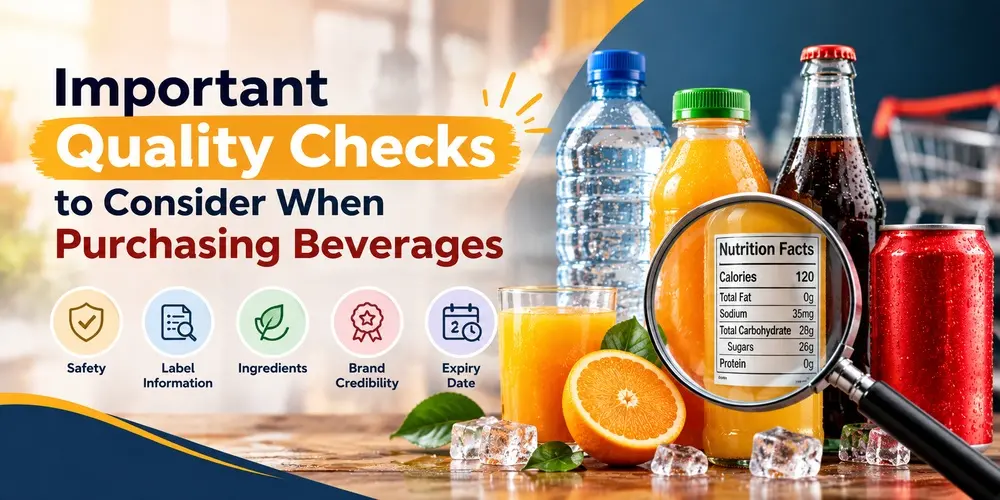
Whether you run a restaurant, a retail store, a hotel, or some kind of distribution setup, the beverages you keep on the shelves basically tell people who you are. A single rough batch of juice, a mislabelled spirit, or a pallet of beat-up soft drinks can quietly drain your budget, upset customers, and mess up your good name. So yeah, quality checks aren’t “nice to have”, they are kind of the whole base of a beverage business that actually makes money. If you are getting items in bulk, and you’re working with a dependable beverage wholesaler, and a trusted Whiskey Wholesale Supplier Europe, that helps a lot from the start. Still, you can’t just order and hope, you have to know what to inspect before you sign anything. Here’s a messy, but useful rundown of the major quality checks buyers should do before purchasing beverages.
Verify Supplier Credentials and Licensing
Quality really starts from the source. Before you even touch the product, check the company behind it, kind of like, you know. A legit beverage wholesaler should be able to share things like
• Valid trade and excise licenses
• Food safety certifications such as ISO 22000, HACCP, BRC, or IFS
• Import and export documentation
• Insurance coverage, plus traceability records
If they seem irritated, or they dodge the documents, that is a big head up. In Europe, serious suppliers follow strict EU food and beverage rules, so they should feel ok showing proof. Not acting like it’s some locked away secret.
Check Labeling and Packaging Accuracy
Labels are your first defense against fraud, and also against non-compliance. Look closely at every label for:
- Product name, brand, and category
- Alcohol percentage (ABV) for spirits, wine, and beer
- Ingredient list and allergen information
- Batch or lot number
- Production date and expiry or best-before date
- Country of origin + producer details
- Required languages for your target market
If labels look smeared, crooked, or don’t match across bottles, it can hint at counterfeit items or sloppy production control. Packaging should also be solid, sealed caps, cartons that aren’t torn, no leakage, dents, or bulging cans.
Inspect Shelf Life and Storage History
Never accept stock with very little time left unless you have some aggressive sell-through plan. For soft drinks juices, and energy drinks, try to get around 70 to 80 percent of shelf life remaining when it lands. Also ask how it was kept. If beverages were stuck in heat, direct sun, or freezing conditions they can lose flavor, carbonation, and general stability. Ask about warehouse conditions, temperature management, and transport methods. Cold-chain consistency matters a lot for fresh juices, dairy-based drinks, and some craft beverage lines.
Request Product Samples and test them
Samples kinda give you the real picture before you go big, or scale up too fast. When you’re looking at samples, don’t just glance and move on, try to pay attention to the small stuff like…
- Taste and aroma: does it match the brands expected profile
- Appearance: color, clarity, and if there is any sediment sitting at the bottom
- Carbonation: for soft drinks it should fizz in a pretty uniform way every single time
- Consistency: compare a few samples, maybe ones that come from separate batches, just to be safe
For premium items, and especially spirits, testing is a really big deal. If you plan to buy Vodka wholesale Europe, check the smoothness, purity, and how the aftertaste lingers across different brands, and also make sure the bottle, seal and tax stamp align with what authentic specifications should look like.
Confirm Ingredient Quality and Sourcing
Solid drinks come from solid raw materials. Natural juices need the right fruit, spirits lean on quality grain, and soft drinks depend on clean water along with safe sweeteners. This is where a dependable agricultural products supplier starts to matter, because freshness, crop origin, and even how ingredients are handled can change both flavor and safety. Ask your wholesaler where the ingredients are from, whether they are non-GMO or organic, and if they’ve been reviewed for pesticide residues. Once sourcing details are clear, it usually hints at responsibility, and a more serious production process too.
Review Laboratory Reports and Certificates of Analysis
For bulk orders, a Certificate of Analysis (COA) is one of the best documents you can request. It shows that a batch was tested for:
- Microbial contamination
- Heavy metals and chemical residues
- Sugar level and acidity (pH)
- Accuracy of alcohol strength
- Preservative and additive levels
Third-party lab results typically count more than internal, in-house checks. If a supplier won’t provide testing data, treat that as a serious red flag.
Evaluate Packaging Materials and Safety
The packaging is part of the product story. Glass bottles should be without cracks or chips. Plastic bottles should be food-grade and BPA-free. Cans should have no internal corrosion, and no dents sitting along seams. Safety also includes what’s used during production and cleaning. Reliable producers use food-safe processing aids and sanitizers that come from a compliant Chemical Wholesale Supplier, so harmful residues don’t end up in the final drink. Ask if your supplier follows strict hygiene and cleaning protocols in bottling and storage facilities.
Check for authenticity and anti-counterfeit measures
Counterfeit beverages, mainly premium alcohol, is kind of a bigger problem lately. Protect yourself by buying only from authorized distributors, checking holograms, serial numbers, and tax stamps, and also comparing the packaging to the official brand specifications. If you see prices that are way below market value, be a bit suspicious. Like, if the deal looks too good to be true, then yeah, it usually is. Authenticity checks really protect both your customers and your legal standing too.
Assess logistics, delivery, and handling
Even if the item itself is great, it can get messed up in transit. So pay attention to how your supplier does shipping, pallet wrapping, temperature control, delivery timelines, all of that. When the shipment arrives, inspect it right away. Count the cases, check for breakage, and take photos of any damage before you sign anything. A lot of companies that also carry cleaning and hospitality supplies work with a Household Products Supplier Netherlands, they consolidate shipments, which can reduce handling risks and transport costs a little.
Look at consistency, reputation, and after sales support
Quality isn’t only a one-time moment. A solid supplier keeps the same standard order after order, no random surprises. Check reviews, ask for references from other buyers, and pay attention to how they reply when something goes wrong. A dependable partner should provide clear return terms, replacement assurances, and quick communication if a problem happens. For high volume, quick moving product types, working with a dependable Soft Drinks Wholesale Supplier can help keep the supply steady, pricing stable, and inventory turnover fresh.
Conclusion: Get your beverages at Best Price
Buying beverages in bulk is a serious investment. Every stage, from supplier vetting to the final delivery inspection, impacts the quality your customers actually get. When you verify credentials, check labels, test samples, review lab reports, and confirm authenticity you cut down risk and build a more trustworthy product lineup. If you need a partner that gets European standards and delivers consistent quality, visit beverageinnovationseuropewholesale.com. With premium sourcing, transparent steps, and dependable service, they help businesses stock shelves with confidence.
Frequently Asked Questions (FAQs)
1. What is the most important quality check when buying beverages in bulk?
Verifying the supplier’s credentials, plus requesting a Certificate of Analysis, is usually the biggest step, because it confirms legitimacy and also product safety.
2. How can I tell if alcohol is counterfeit?
Check label quality, serial numbers, tax stamps, seals, and even bottle weight. Then compare it all with the official brand specifications, and stick to authorized distributors only.
3. How much shelf life should be left when I receive soft drinks?
Ideally, 70 to 80 percent of the total shelf life should remain when the delivery lands, so you still have enough time to sell it.
4. Should I always ask for product samples before ordering?
Yes. Samples let you judge taste, appearance, packaging, and consistency before you commit to a big purchase.
5. What certifications should a beverage wholesaler have?
You want ISO 22000, HACCP, BRC, or IFS, and also valid trade, excise, and import/export licenses.
6. Why does ingredient sourcing matter for beverage quality?
Because raw materials, like fruit, grain, and water, directly shape flavor, safety, and consistency. If sourcing is clear, it usually points to a more responsible producer.
7. What should I do if a shipment arrives damaged?
Take photos, note the damage on the delivery receipt, and contact the supplier ASAP, so you can request a replacement or refund.
8. Is a very low price a sign of poor quality?
Often, yes. Prices far under market value can suggest counterfeit, expired, or improperly stored products, so verify everything before buying.